
How to Ship a used Car Across the Country Safely and Affordably
Introduction
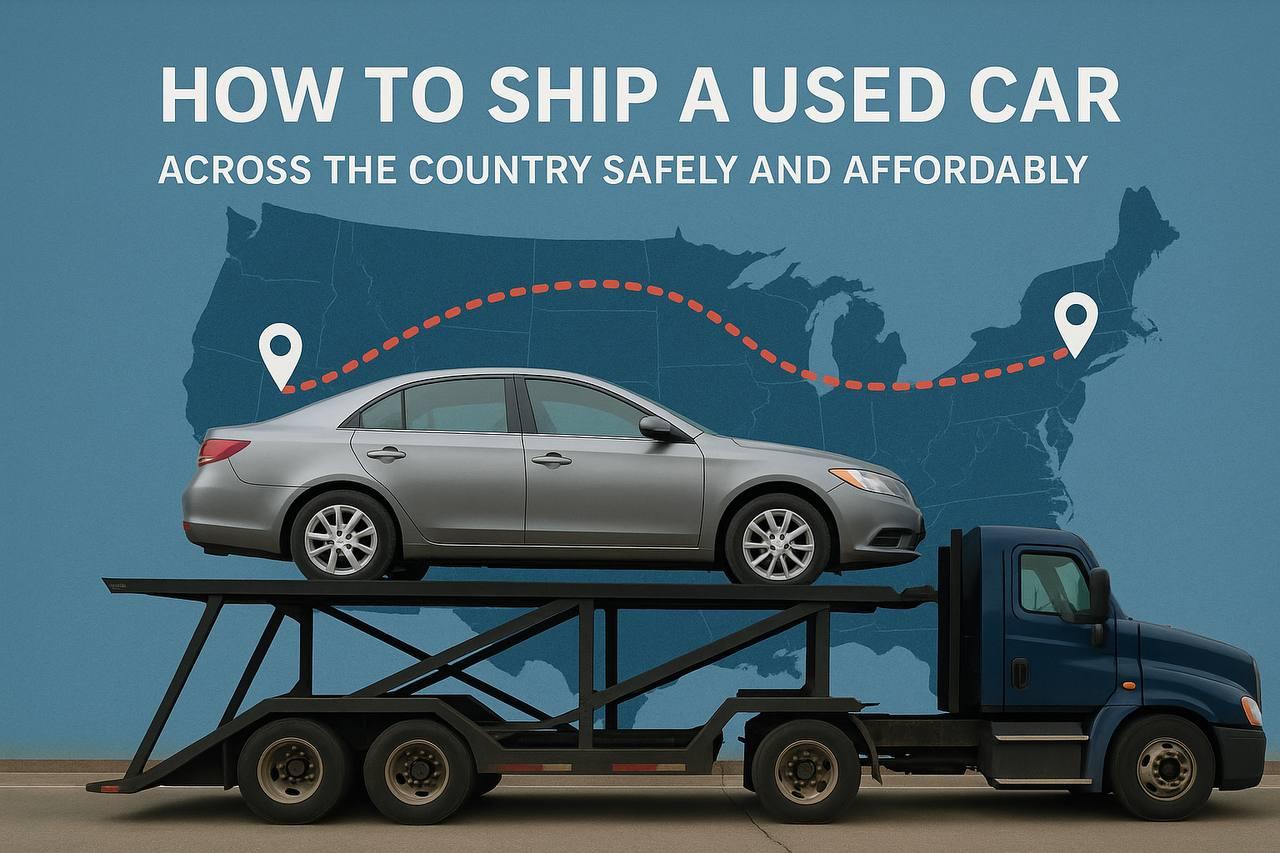
Are you looking to transport your used car across the country? But are you afraid of the problems and mistakes that may occur? This situation may seem difficult for you, but it is not. No matter how far or to whom you are sending your car, car transport services here offer a safe and convenient solution. With so many choices and prices in front of you, how can you not get confused in choosing the best and safest one for your car?
In this guide, we’ll walk you through everything you need to know to ship a used car across the country safely and affordably. From how to choose the right type of carrier to how to prepare your car for transport, we’ll help you avoid scam companies, overpaying and hidden fees, and the stress of shipping. The result is that your car will arrive at the time and place you planned. Your money will be used for the right amount and purpose.
Decide If Shipping Is Right for You
It's great when you can make the right choice when shipping your car. But in some cases, you shouldn't even make the mistake of deciding whether it's worth shipping your car. There are situations where driving your car yourself can be more convenient. However, long-distance drives (especially those over 1,000 miles) can quickly become expensive and exhausting.
Shipping is usually a better option if:
If you are not in good health to drive for long periods of time and distances.
If you are moving long distance and don't have time.
If you bought a car online from an out-of-state seller or dealer.
If the vehicle isn't in drivable condition or is a classic car.
If you want to avoid staying in hotels, fuel costs, and various weather conditions on the road.
On the other hand, driving may be cheaper upfront, but when you factor in gas, food, lodging, missed work, and mileage, shipping often makes more sense— especially for used vehicles where you want to retain value.
Types of Car Shipping Services
When it comes to shipping your car, you have a few choices to make. They come in a variety of methods and prices. Understanding these will help you choose what fits your budget and your car’s needs.
Open Transport (Most Common and Affordable)
This is the most common and cost-effective method. In this situation, your car is placed in an open trailer alongside other cars. It’s exposed to weather and road debris but is generally safe for standard cars.
Pros:
• More affordable
• More widely available
• Faster scheduling
Cons:
• Exposure to elements
• Not ideal for luxury or classic cars.
Enclosed Transport (Premium Option)
If your car is expensive and valuable, rare and luxury or sensitive to weather, enclosed shipping is the safer option. Enclosed transport offers complete protection by placing your vehicle inside a covered trailer.
Pros:
• Protection from weather, dirt, and debris
• Ideal for classic, exotic, or luxury vehicles
Cons:
• More expensive (up to 50% more)
• Fewer carriers offer this service
Door-to-Door vs. Terminal-to-Terminal
Door-to-door shipping means that the carrier's vehicles are dropped off as close to the desired location as possible, which could be your home. Terminal-to terminal means that the vehicle is picked up and dropped off at the manufacturing facility.
Door-to-door:
• More convenient
• Slightly more expensive
Terminal-to-terminal:
• More affordable
• May require additional time and travel
How to Choose a Reliable Car Shipping Company
Next, one of the important issues before you is choosing a good car transportation company. Not all companies are the same, unfortunately, as in every industry, scams do exist in this field. Here’s how to protect yourself:
Do Your Research
• Look for companies registered with the Department of Transportation (DOT) and the Federal Motor Carrier Safety Administration (FMCSA).
• Read customer reviews on Google, BBB, and TransportReviews.com.
• Check for complaints, unresolved issues, or patterns of poor service.
Compare Multiple Quotes
Get at least 3–5 quotes from different companies. Be cautious of offers that are significantly lower than others—they may be cutting corners or hiding fees. If you would like to get a quote right away, click here.
Understand Insurance Coverage
Ask what’s included in the price:
• How much damage coverage is included?
• Is there a deductible?
• Can you purchase additional insurance?
A reliable carrier will walk you through these details and provide documentation.
Ask Smart Questions
• What’s the delivery time frame?
• What happens if the car is damaged?
• Is there a cancellation fee?
• Do they require a deposit, and is it refundable?
These questions help reveal if a company is trustworthy and transparent.
How to Save Money on Car Shipping
If you’re on a tight budget, there are several ways to lower the cost of shipping your used car:
1. Choose Open Transport
It’s the most economical option, and still very safe for most vehicles.
2. Be Flexible With Dates
If you allow a wider pickup window, carriers can fill up their trucks more efficiently and offer better prices.
3. Avoid Peak Seasons
Car shipping is more expensive during the summer and holidays. Booking during the off-season (fall or early spring) often results in lower rates.
4. Consider Terminal-to-Terminal
If you’re willing to drop off and pick up the car from a terminal, this could save you $100–$200.
5. Ask About Discounts
Many companies offer discounts for: • Military members • Students • Seniors • First-time shippers Always ask—many discounts aren’t advertised.
Steps to Prepare Your Used Car for Shipping
To ensure your vehicle is transported safely—and to avoid delays or extra charges—proper preparation is essential:
1. Wash the Car
If your car has been washed, the stains, scratches, and damaged areas will be clearly visible. This makes it easier to inspect and document pre-existing damage.
2. Document Condition
Take detailed pictures of your car from all sides, making sure to show all scratches and dents. Time-stamped photos can help in case of a dispute.
3. Remove Personal Items
Most carriers do not insure personal belongings left in the car. Empty the glove box, trunk, and seats.
4. Check for Leaks or Mechanical Issues
Let the carrier know if your car has any mechanical problems, fluid leaks, or special instructions.
5. Disable Alarms
Avoid false alarms during transit by disabling any aftermarket security systems.
6. Leave 1/4 Tank of Gas
This is enough for loading/unloading but keeps weight low for fuel efficiency and safety.
7. Remove Loose Parts
Remove or secure parts like spoilers, bike racks, antennas, or side mirrors that could get damaged in transit.
What to Expect During Pickup and Delivery
Understanding what happens on both ends of the transport process helps prevent surprises.
At Pickup
• The driver will inspect the vehicle and complete a Bill of Lading (inspection report).
• You’ll sign off on the condition and leave the keys.
• Be prepared to meet the driver at a nearby parking lot if your street isn’t truck-friendly. During Transit
• Some companies offer real-time tracking via app or portal; others may provide phone/email updates.
• Transit time depends on distance, route, and scheduling—cross country usually takes 7–10 days.
At Delivery
• You or someone you trust must be present to accept the car.
• Inspect the vehicle and compare it with the pickup report.
• If there’s any new damage, note it on the Bill of Lading before signing.
• Take delivery photos as backup documentation.
Final Tips for a Smooth Experience
• Communicate Clearly: To ensure everything is on time and accurate, confirm exact pickup/delivery addresses, dates, and contact info.
• Avoid Last-Minute Bookings: Try to order 1-2 weeks before your planned shipping date, this will help you compare prices and choose a good price.
• Use a Broker Cautiously: Brokers can save time, but make sure they vet carriers thoroughly.
• Trust Your Gut: If a deal sounds too good or a company feels shady, walk away.
• Review the Fine Print: Always read the contract and understand cancellation or delay policies.
Conclusion
Shipping a used car across the country doesn't have to be stressful, dangerous, or a financial burden. With advance planning and smart decisions, and the right company, the process can be made easier.