
The Art of Shipping a Classic or Non-Running Car
Introduction
Classic cars evoke strong emotions in people, attracting them with their timeless design, the nostalgic feel of the steering wheel, the purr of an old engine. We could even say that they are a symbol of value.For some, classic cars are unique works of art, for others they are reminders of precious memories, and for others they are family heirlooms. Likewise, a non-running vehicle, though not currently operable, can represent a future project, an investment, or a long-awaited dream.
But what happens when you need to move that car across the state, or even across the country? You could say that this is also a simple car, but unlike today's modern and drivable cars, transporting them requires more responsibility and attention.Their value — both sentimental and financial — demands careful attention, preparation, and the right shipping strategy.
This guide walks you through the process of safely shipping a classic or non running car, step by step. From choosing the right carrier to avoiding common mistakes, you’ll learn how to treat your prized possession with the respect it deserves — even while it’s on the road without you.
Why These Vehicles Require Special Care
Transporting a classic car may seem as simple as transporting modern cars - loading, delivering, and unloading.In reality, it's a much more subtle process. The reason is that the material they are made of can be delicate, having been preserved for years. Whether it is an external or internal part, if they are damaged, not only the part itself, but even something similar to that part can be difficult and expensive to find.For example, if they are transported in an open trailer, the risk of damage increases. These vehicles can be quickly damaged by environmental factors such as rain, snow, cold, and heat, and as a result, you may encounter serious problems.
On the other hand, non-running cars introduce mechanical limitations to the shipping process. They may have locked brakes, flat tires, or no steering ability. Since they can’t be driven onto a trailer, they must be loaded with a winch or forklift, which calls for experienced hands and proper tools. Some carriers charge extra or won’t handle non-operable cars at all.
If we analyze both cases, these are not average vehicles and deserve special consideration. Whether it will be in someone's collection or sent for restoration, these vehicles represent value, passion, and history and they deserve the highest level of transportation service.
Choosing the Right Shipping Method
If you have decided to transport your car, you have several tasks ahead of you, in which it is important to make the right choice.One of them is choosing the shipping method, which plays a major role in how well your vehicle is protected — and how much you'll pay.
There are two primary options: open transport and enclosed transport.
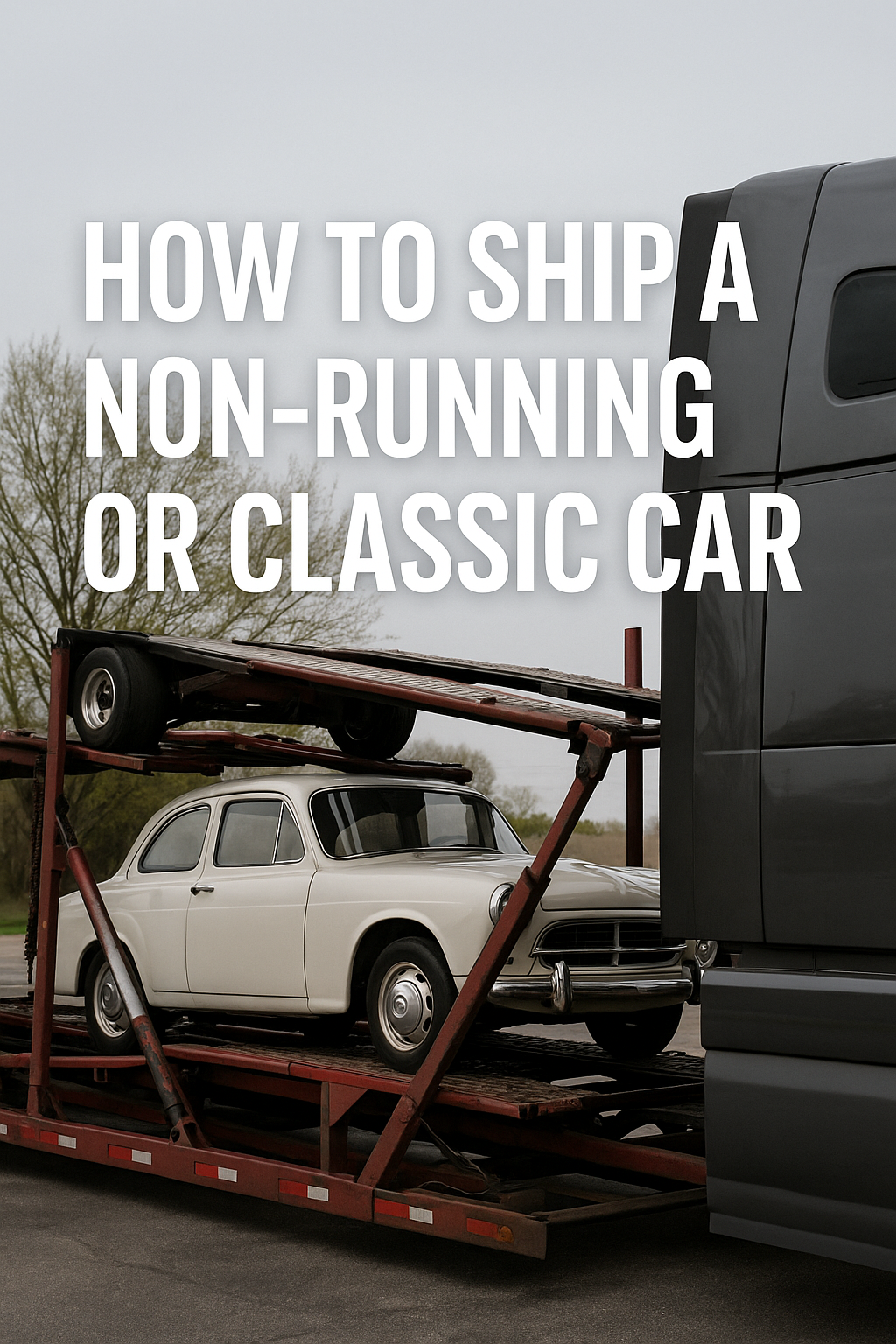
Open transport uses a multi-level carrier — the kind you often spot on highways loaded with multiple vehicles. It’s a widely used and cost-effective shipping method, making it ideal for most standard, everyday cars. However, because the vehicle is fully exposed during transit, it faces constant contact with the elements: sun, rain, road dust, flying debris, and even insects. While this exposure may not be a concern for modern cars, it can pose serious risks for classic or non-running vehicles, especially those with fragile parts or custom features. In such cases, even minor exposure can lead to expensive or irreversible damage.
Enclosed transport, in contrast, places your car inside a trailer, completely shielded from weather and road debris. This option is significantly more expensive, but it offers peace of mind. It’s the preferred method for high-value, vintage, restored, or sentimental cars. Some enclosed carriers even use air-ride suspension to reduce vibration during transport.
If your car is non-operational, make sure to work with a company that offers winch-equipped enclosed trailers, as standard ones may not be able to accommodate it.
Ultimately, the best transport method depends on the car’s condition, value, and how much protection you want. For classic and inoperable vehicles, cutting corners on transport type can cost more in the long run.
Preparing Your Car for Shipping
Your well-preparedness is of great importance in the implementation of your plans, and a well-thought-out plan will ensure that your car reaches its destination safely and without damage.
Some of the things you need to do are similar to the preparations you would make when transporting a drivable, new or modern car. You will need to clean your car thoroughly, making sure to show any scratches or dents. After cleaning, you should carefully take pictures of your car,or you can even videotape it . Make sure you see all the scratches, damage, and sensitive parts on your car, and make a note of them. These will act as condition reports before and after transport for you, and this visual record can protect you in case an insurance claim becomes necessary.
If your car is running:
• Remove personal belongings from the interior and trunk.
• Leave about 1/4 tank of fuel (not full).
• Disable alarms and lock the doors.
If your car is not running:
• Inform the shipper about all mechanical issues in advance.
• Mark non-functional parts (like stuck steering or locked wheels).
• Secure loose body panels, mirrors, or parts that could detach in transit.
• Disconnect the battery and check for leaks. Drain fluids if necessary.
Some non-running vehicles may require special tires or wheel dollies for loading. Be sure to ask your transport company what they’ll need and what they’ll provide.
Lastly, confirm with the transporter what time they’ll arrive and who will be present for pick-up and drop-off. A few simple steps can prevent delays, damages, or miscommunication — and ensure your vehicle is treated right from the start.
Understanding the Costs & Insurance
When it comes to shipping a classic or non-running vehicle, cost is a key factor — and it can vary widely depending on several details
. Base price factors include:
• Vehicle condition: Non-running vehicles are more expensive because they require additional time and equipment to load and unload.
• Size & weight: Large or heavy vehicles will also be more expensive because trailers have a limited weight limit and larger vehicles may require additional free space, meaning that one vehicle can fit on its own instead of two.
• Distance: The longer the transportation distance, the higher the price.
• Trailer type: Enclosed trailers are safer for these types of vehicles, but they are also more expensive. On average, expect to pay:
• $1,000–$2,000 for enclosed transport across the U.S.
• $600–$1,200 for open transport (if your car qualifies). In addition to price, insurance is absolutely essential. All licensed carriers must carry basic cargo insurance, but the limits may not cover the full value of your vehicle — especially a high-end classic.
Here’s what to do:
• Ask for a copy of the carrier’s insurance certificate.
• Check if it covers non-running vehicles and classic car damage.
• Consider purchasing supplemental insurance for full value coverage.
• Get everything in writing.
Without proper insurance, even the most careful carrier can leave you vulnerable to major loss. Don’t take chances — be covered.
Common Mistakes to Avoid
Shipping a classic or non-running car is a big responsibility, and even small mistakes can lead to costly outcomes. Here are some of the most common errors — and how to avoid them
• Failing to prepare the car: Dirty interiors, loose parts, low tire pressure, and unstrapped items can lead to damage.
• Not disclosing the car’s condition: If your vehicle doesn’t roll, steer, or brake, be upfront.Therefore, notify your broker about the condition of your vehicle so that he can select the right carrier for your vehicle and there will be no problem picking it up. Otherwise, the carrier may refuse to load your vehicle or they may charge extra.
• Skipping research: Always verify a company’s DOT/MC number, read customer reviews, and check their BBB rating if available.
• Choosing the cheapest quote: Bargain-basement prices often mean inexperienced drivers, poor communication, or subpar equipment.On the other hand, they may try to scam you by luring you with a low price.
• Ignoring insurance details: Don’t just assume your car is fully covered. Ask questions and get it in writing.
• Not reading the Bill of Lading: This document is your protection. Review it carefully and document any changes to your car’s condition before and after shipping.
Being proactive helps you stay in control and keeps your vehicle safe during its journey.
Bonus Tips from Experienced Owners
Want some insider advice from people who’ve shipped rare, delicate, or project cars before? Here are a few proven tips:
• Always ship enclosed in the winter or during wet seasons to protect from salt, moisture, and rust.
• Invest in a GPS-tracked shipment for peace of mind — some services even let you monitor in real-time.
• Schedule early. Reputable enclosed transporters often book up weeks ahead, especially during car show season.
• Use soft covers or protective interior wraps if your vehicle has custom upholstery or restored interior elements.
• Avoid weekend pickups — some carriers offer limited service or charge premiums.
Small details like these can have a big impact on both your experience and your car’s condition upon delivery.
Final Thoughts
Shipping a classic or non-running car may seem intimidating, but with the right preparation and the right partner, it can be a smooth and rewarding process.
You have something unique in your hands, so don't treat it like you're just transporting an ordinary car, and try not to devalue it.Don't make a mistake when choosing a company to work with, try to use the best services. Follow the process from start to finish. Stay informed about the condition of your vehicle. As a result, your car will reach your desired destination safely and without damage. Are you still hesitating to choose a reliable company and high-level service?
Vehicle shipping done right, every time! with US Star Trucking! Get a free instant quote and book right now!!!